Hello all. I realize it has been a while since I’ve posted and there are a few good reasons for that-namely is that I’m busy. I joined the Peace Corps with a book list a mile long intending to read the whole thing or be able to learn a new hobby or become fluent in Spanish. So far my days are fully planned out for me and I have to have a schedule at least a month out. It’s not what I expected, I’m often overwhelmed but I am enjoying my time here.
So the idea of the blog was to keep the most amount of people in touch as possible in the easiest way, but as I have easy access to wifi I have updated a lot of people on things happening with me. BUT lets talk about some cool Panamanian things!
FOOD!
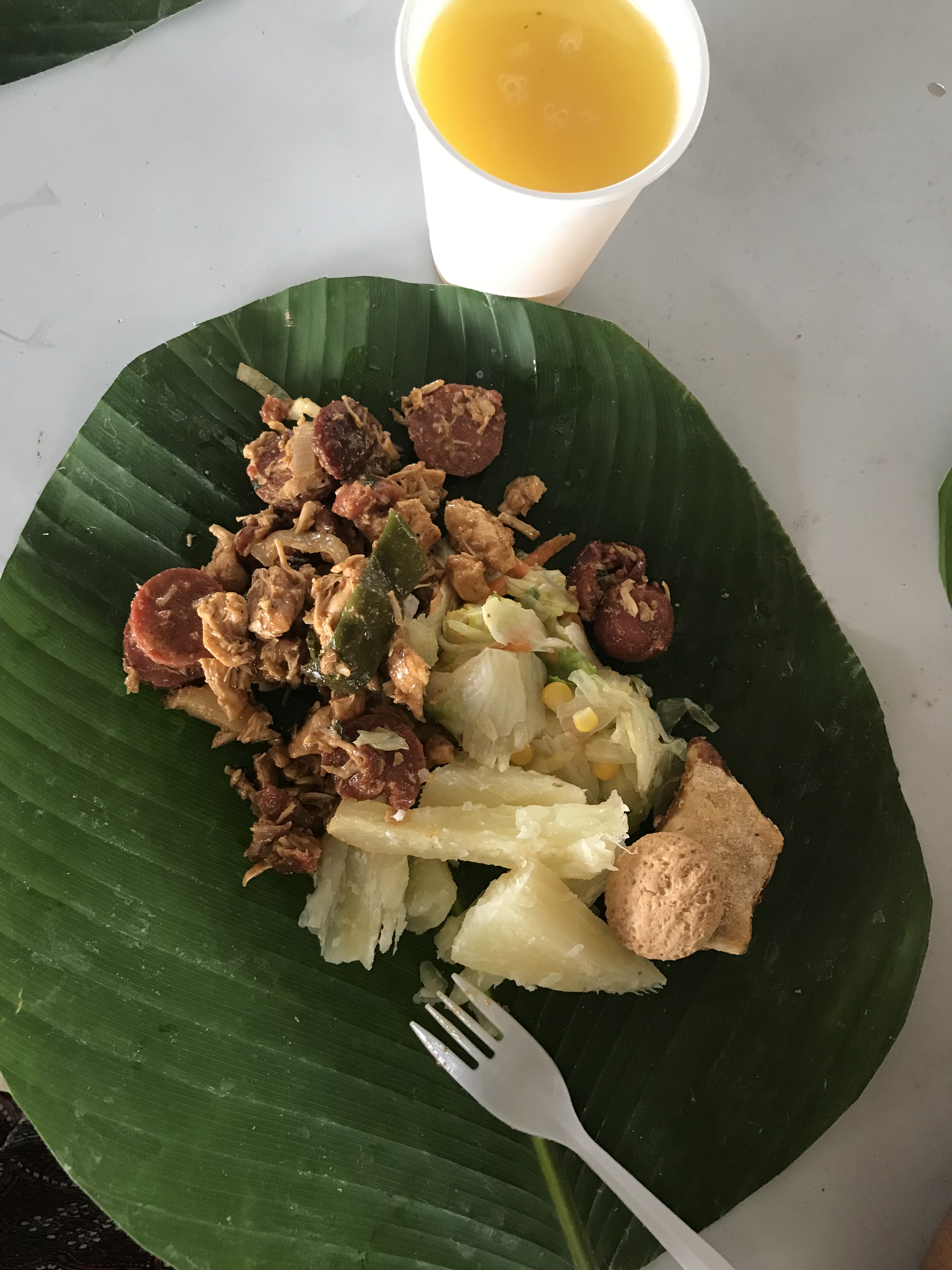
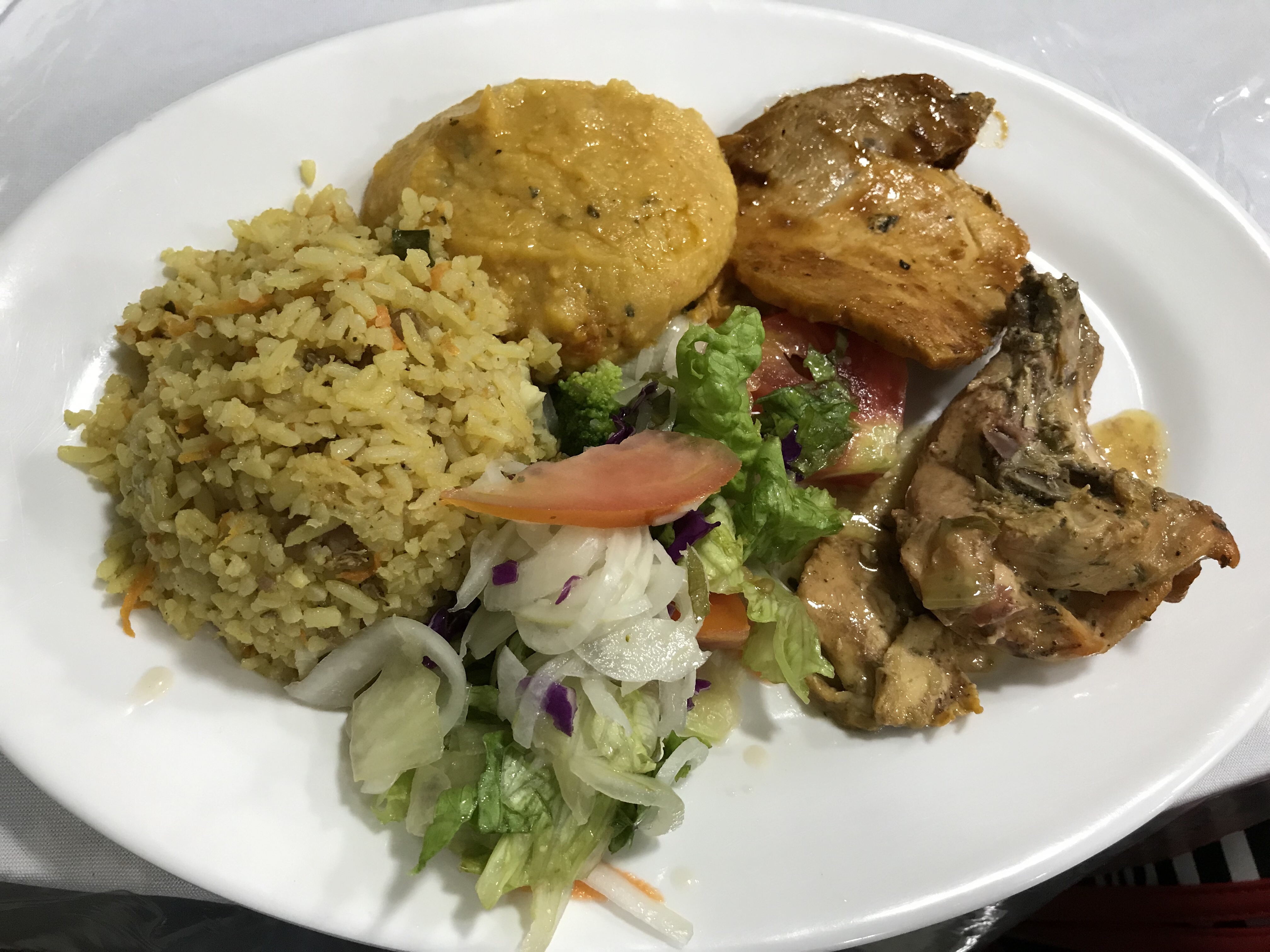
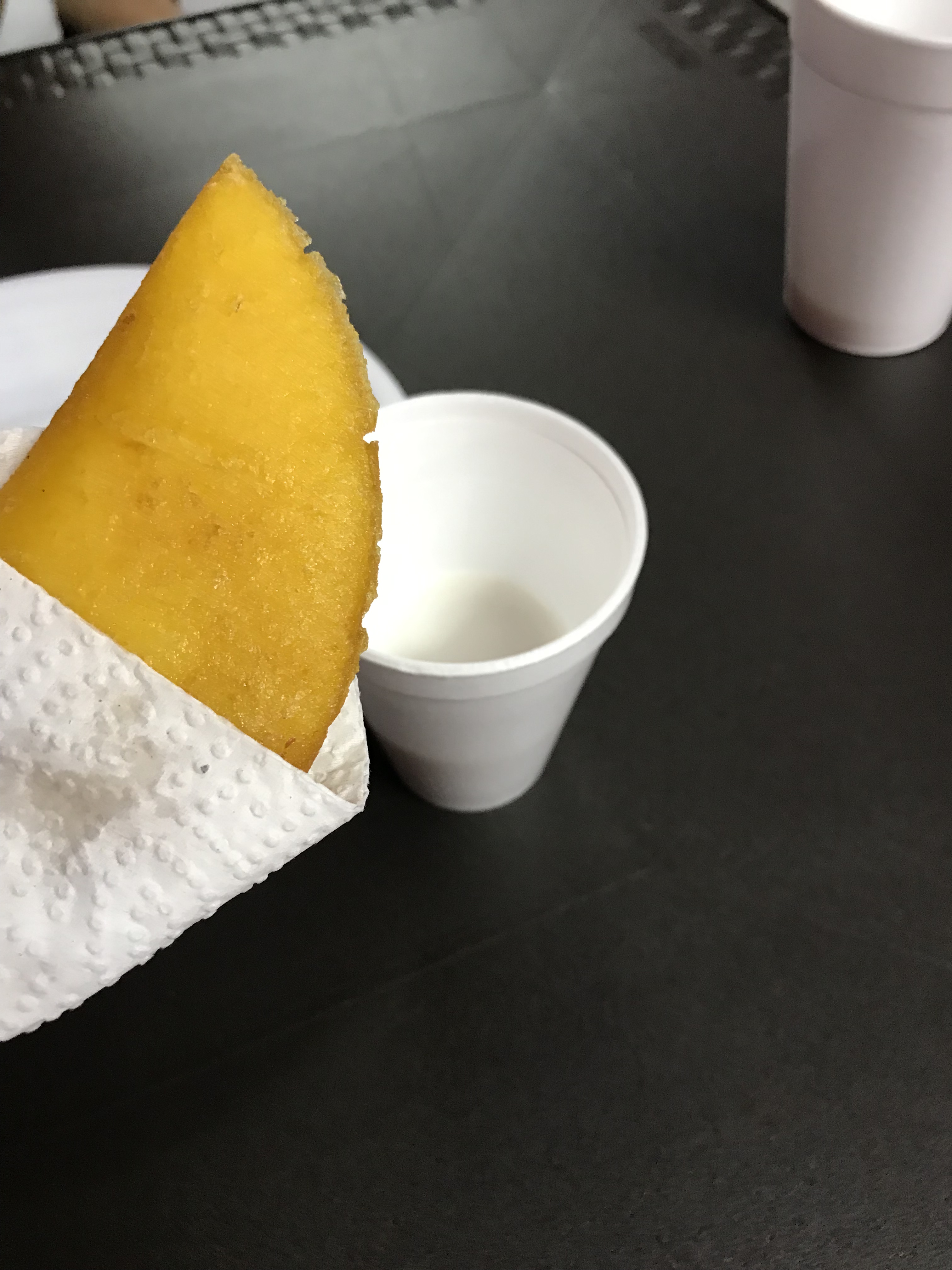
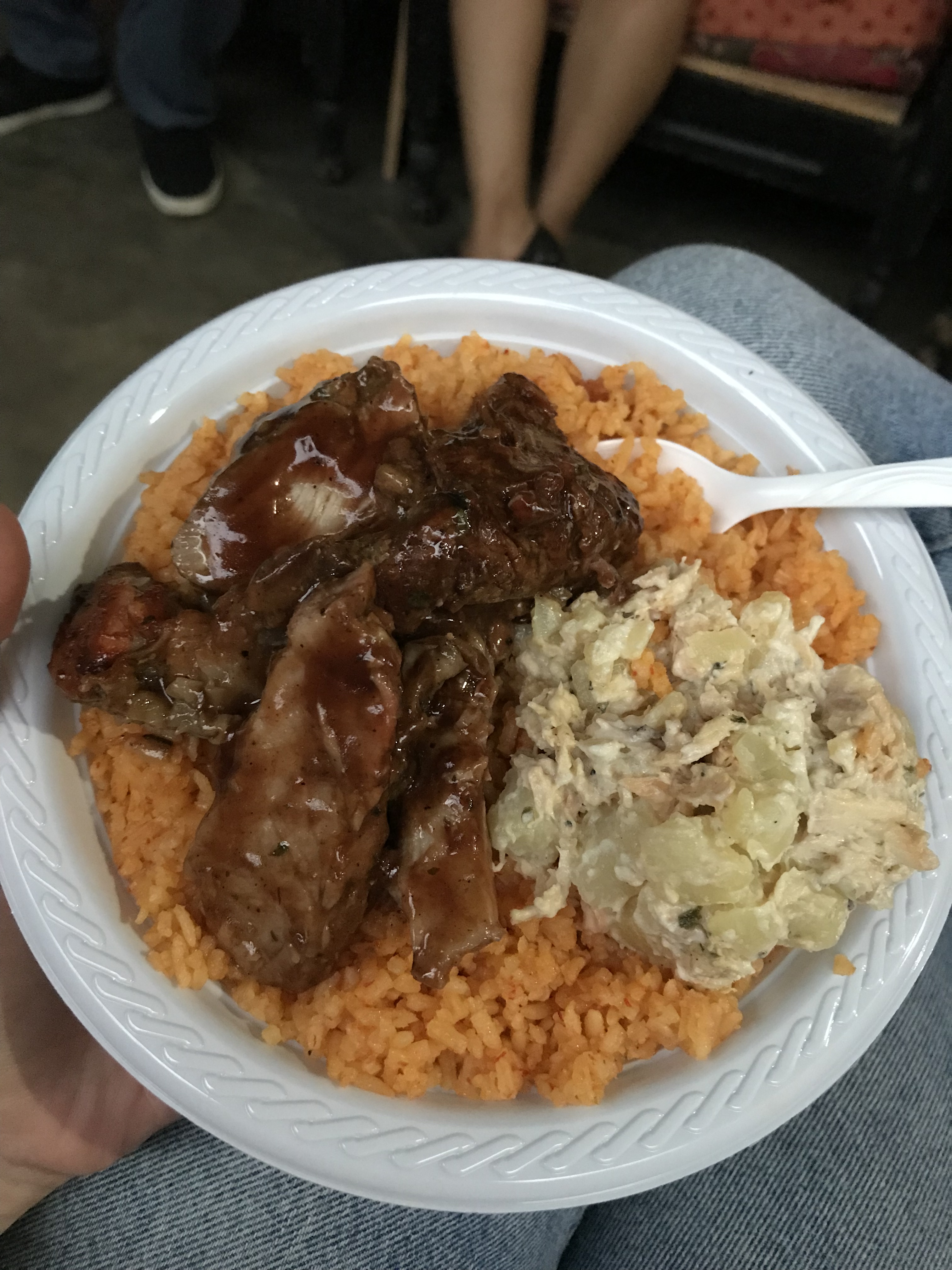
Yum. So the most common Panamanian foods are-
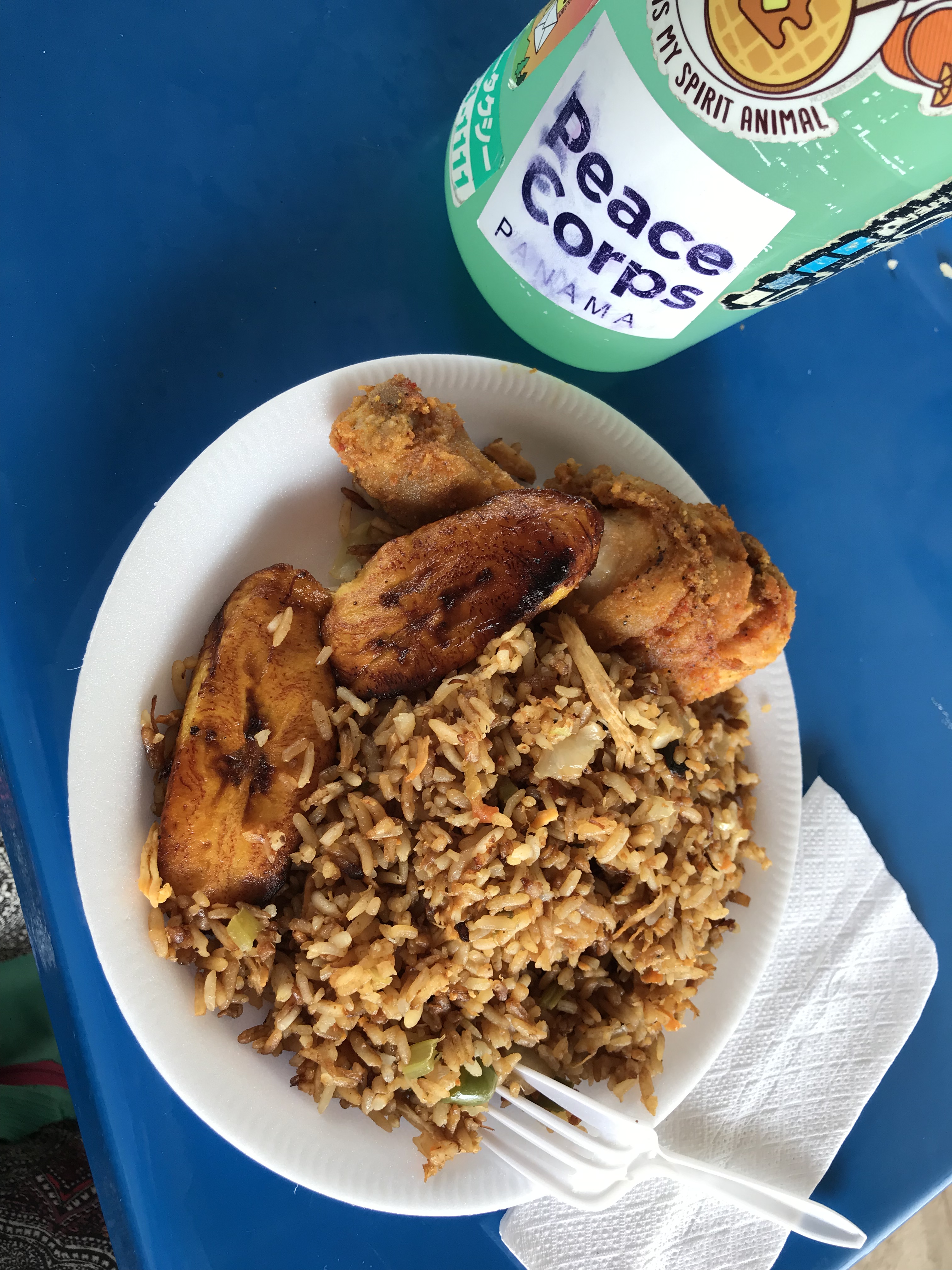
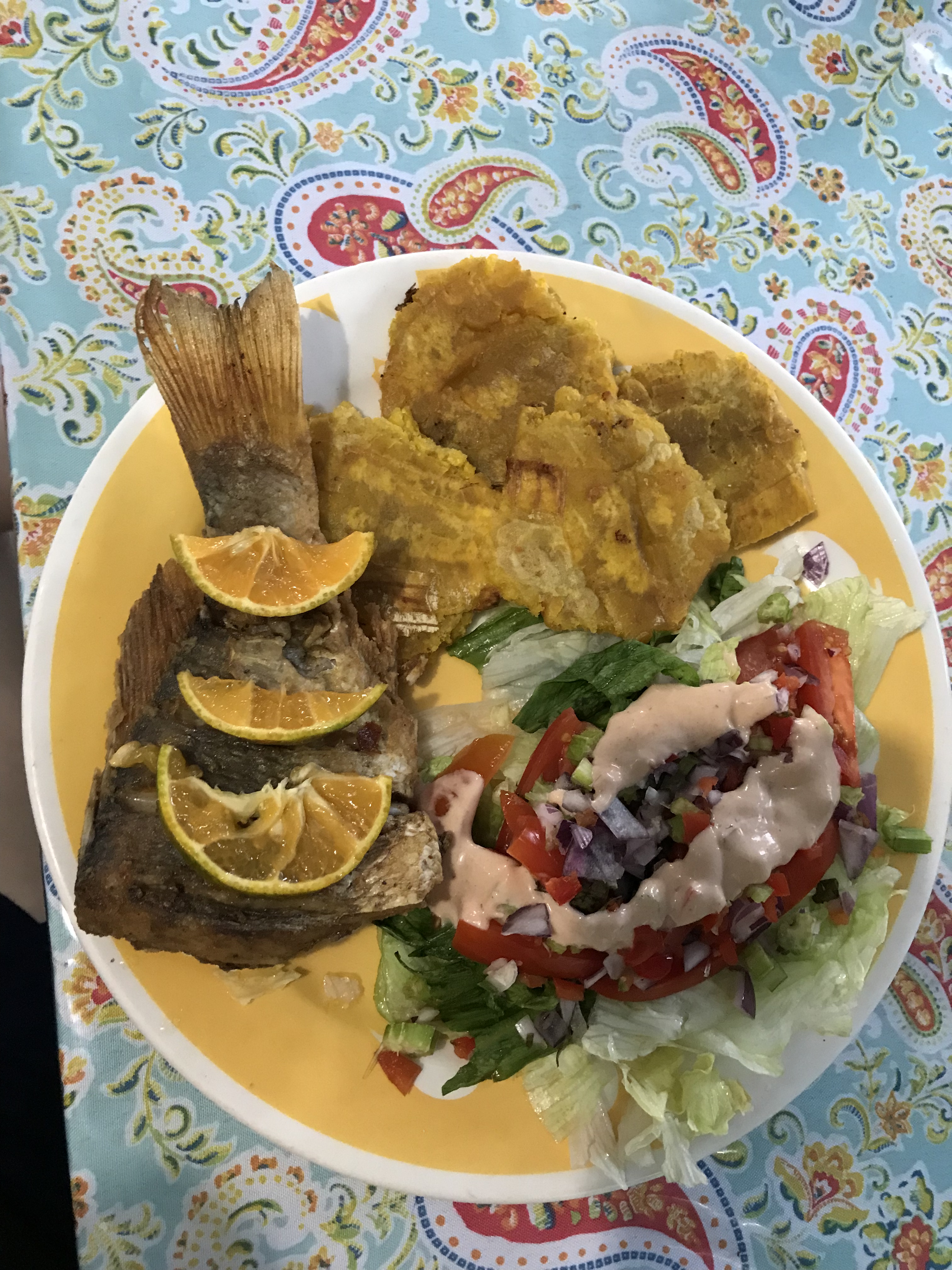
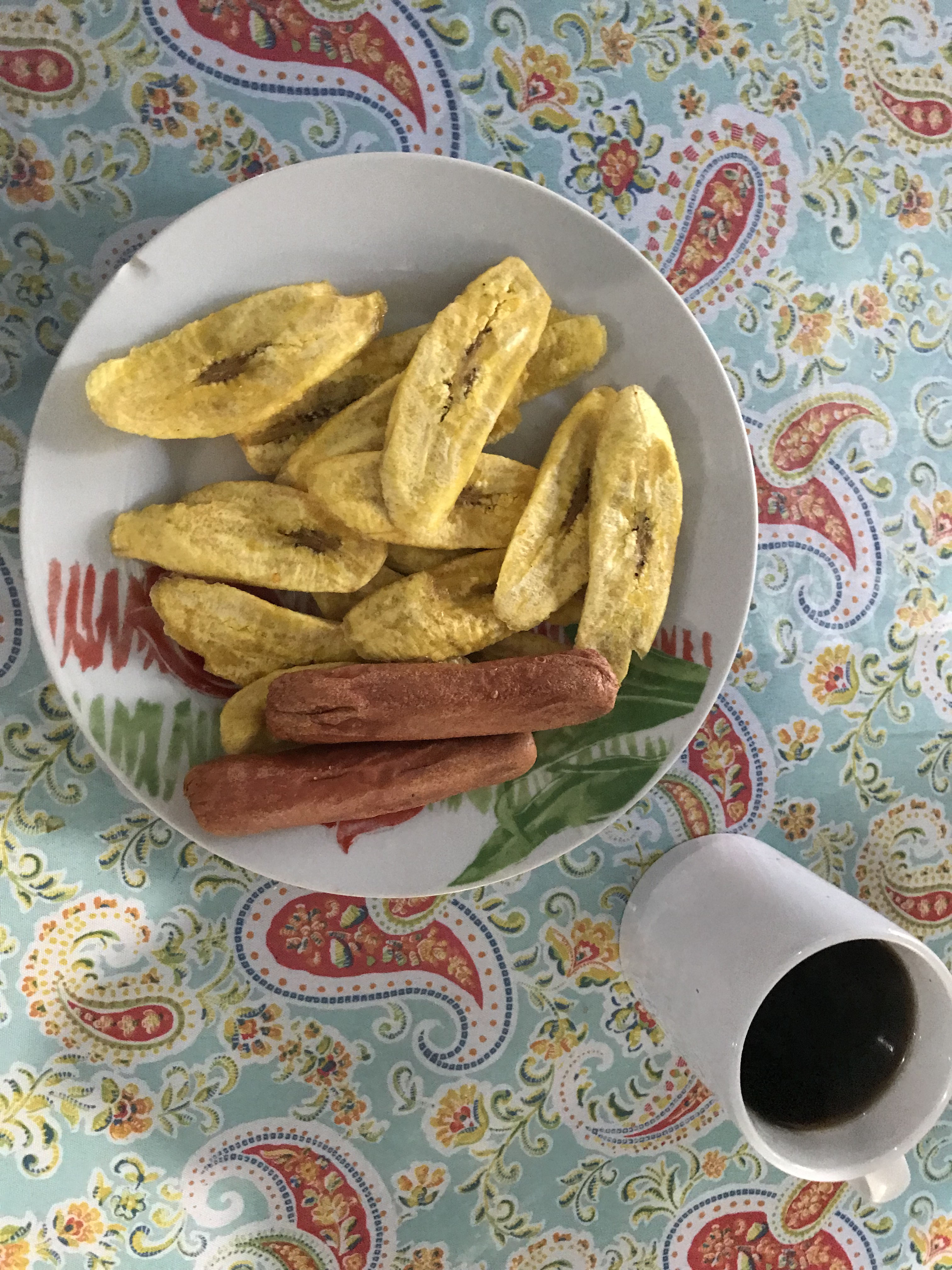
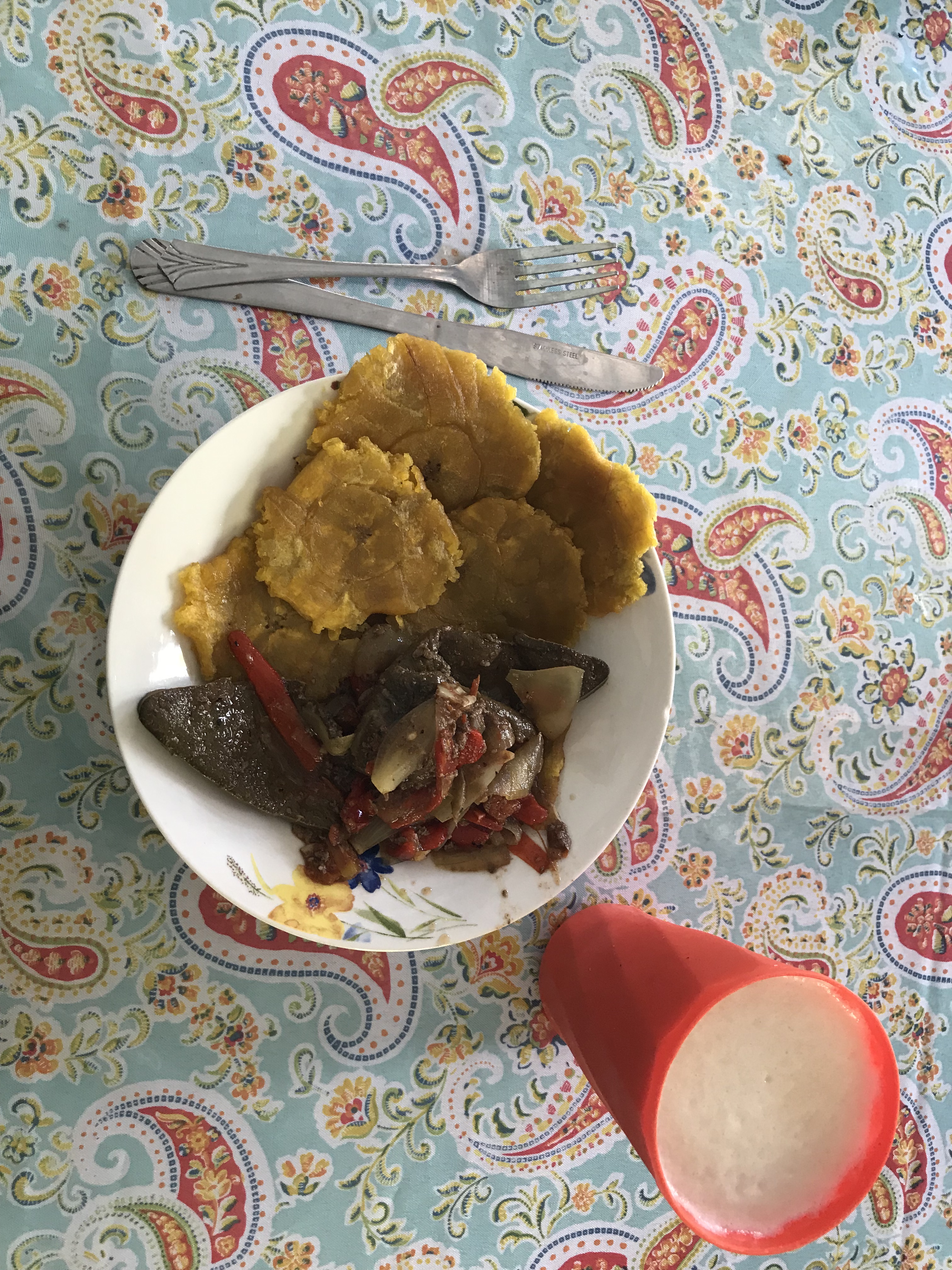
- Patacones: Fried, smashed into circles and refried green plantains, taste like French fries. 100% recommend.
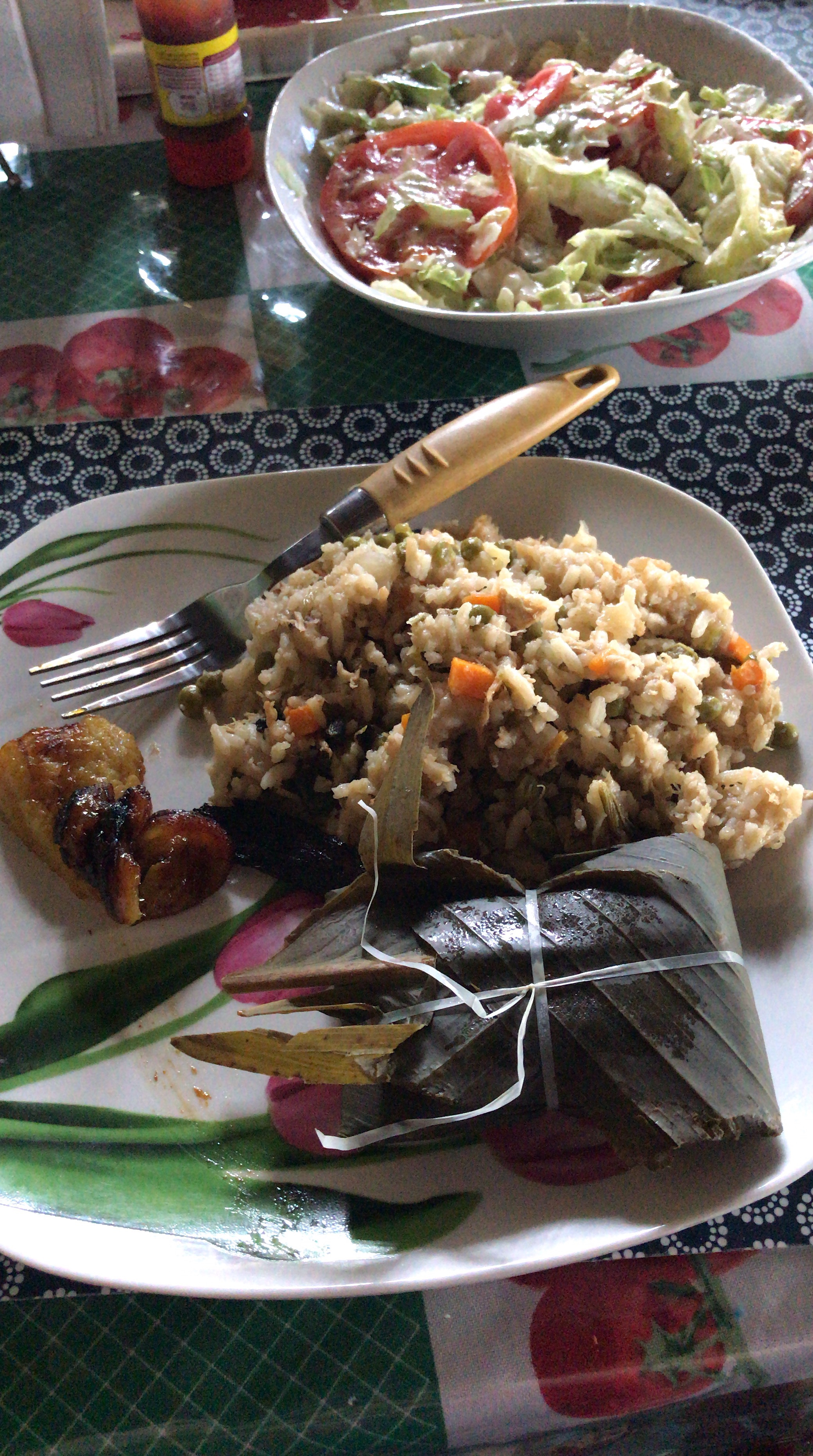
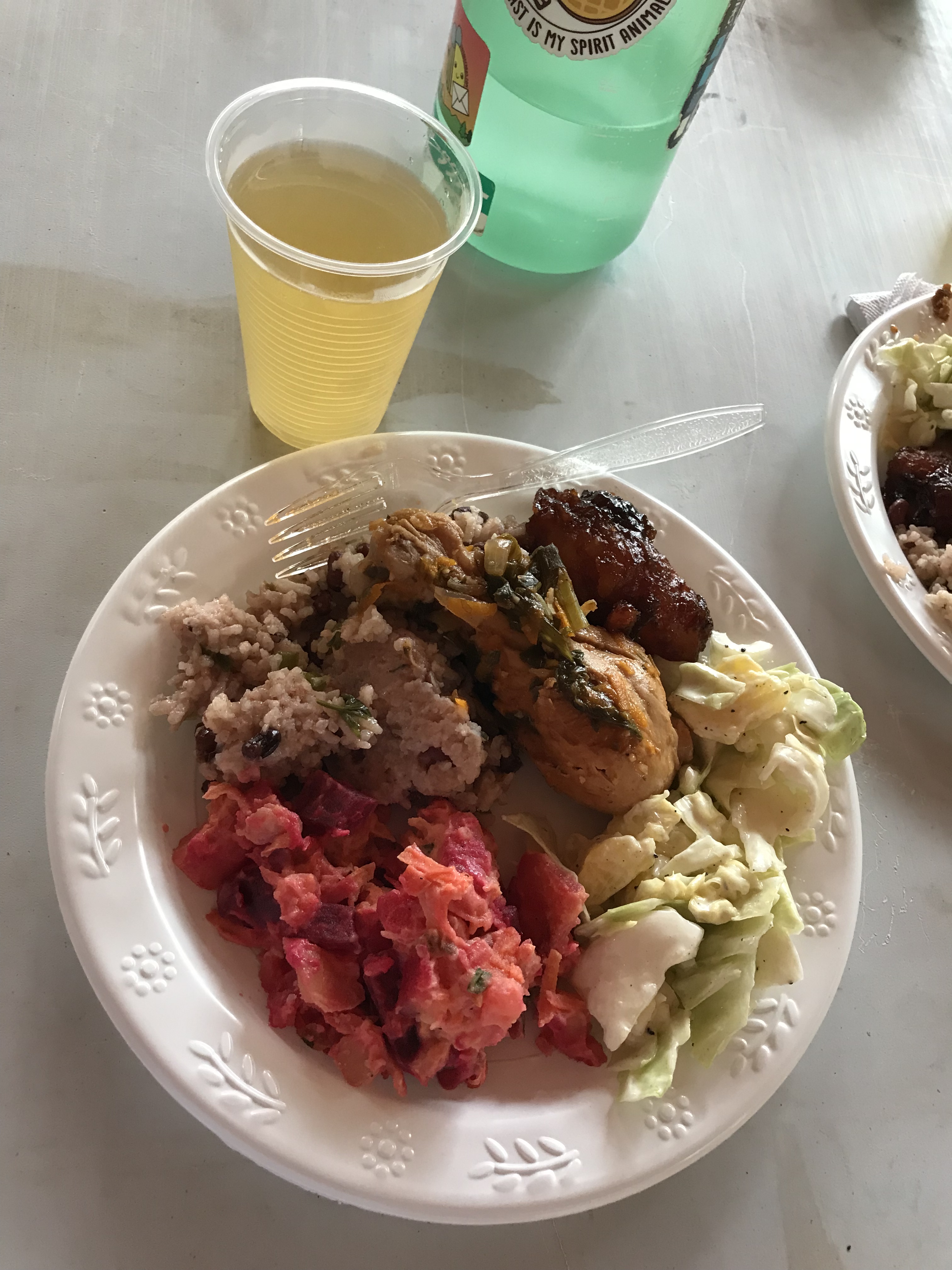
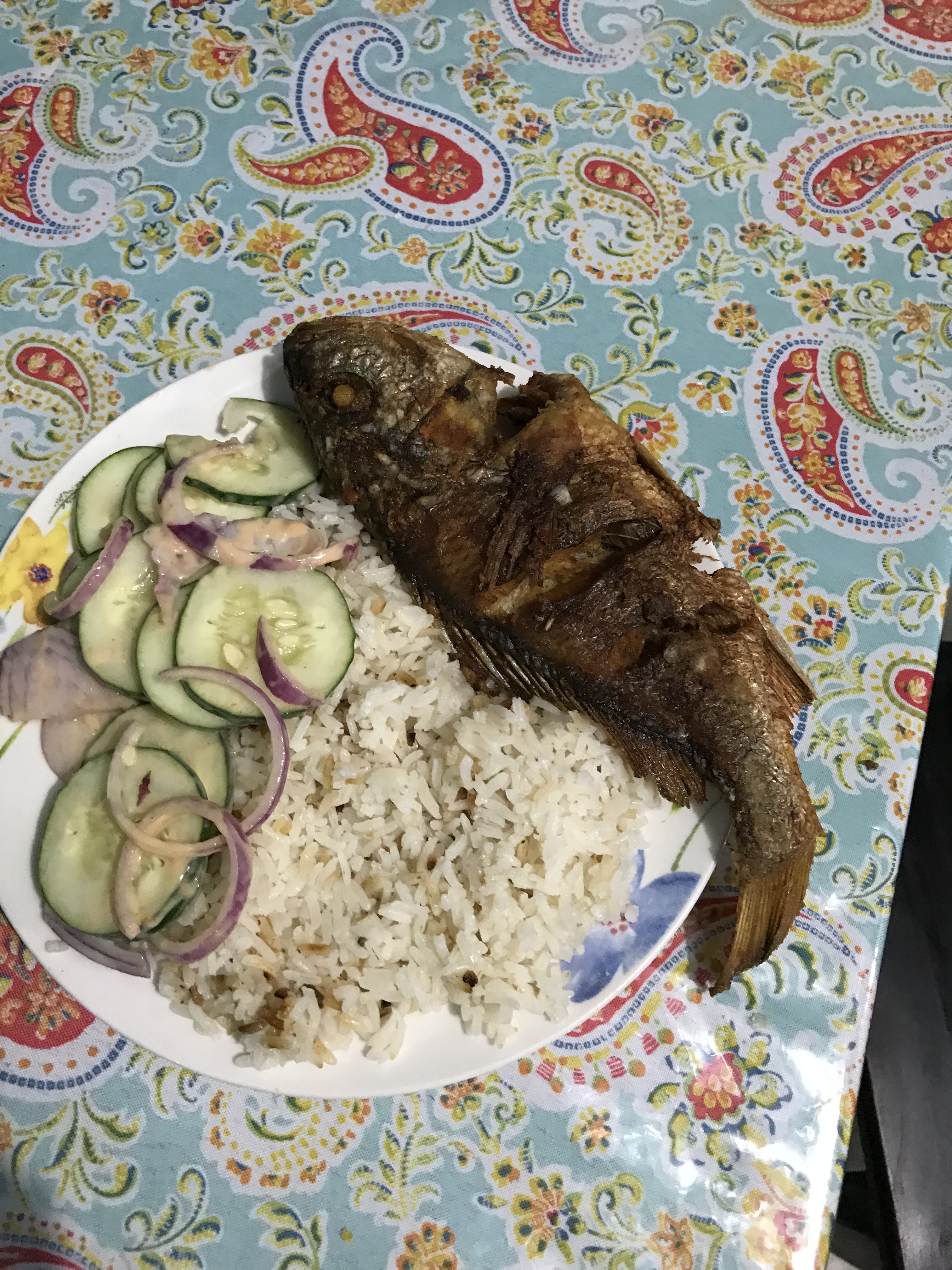
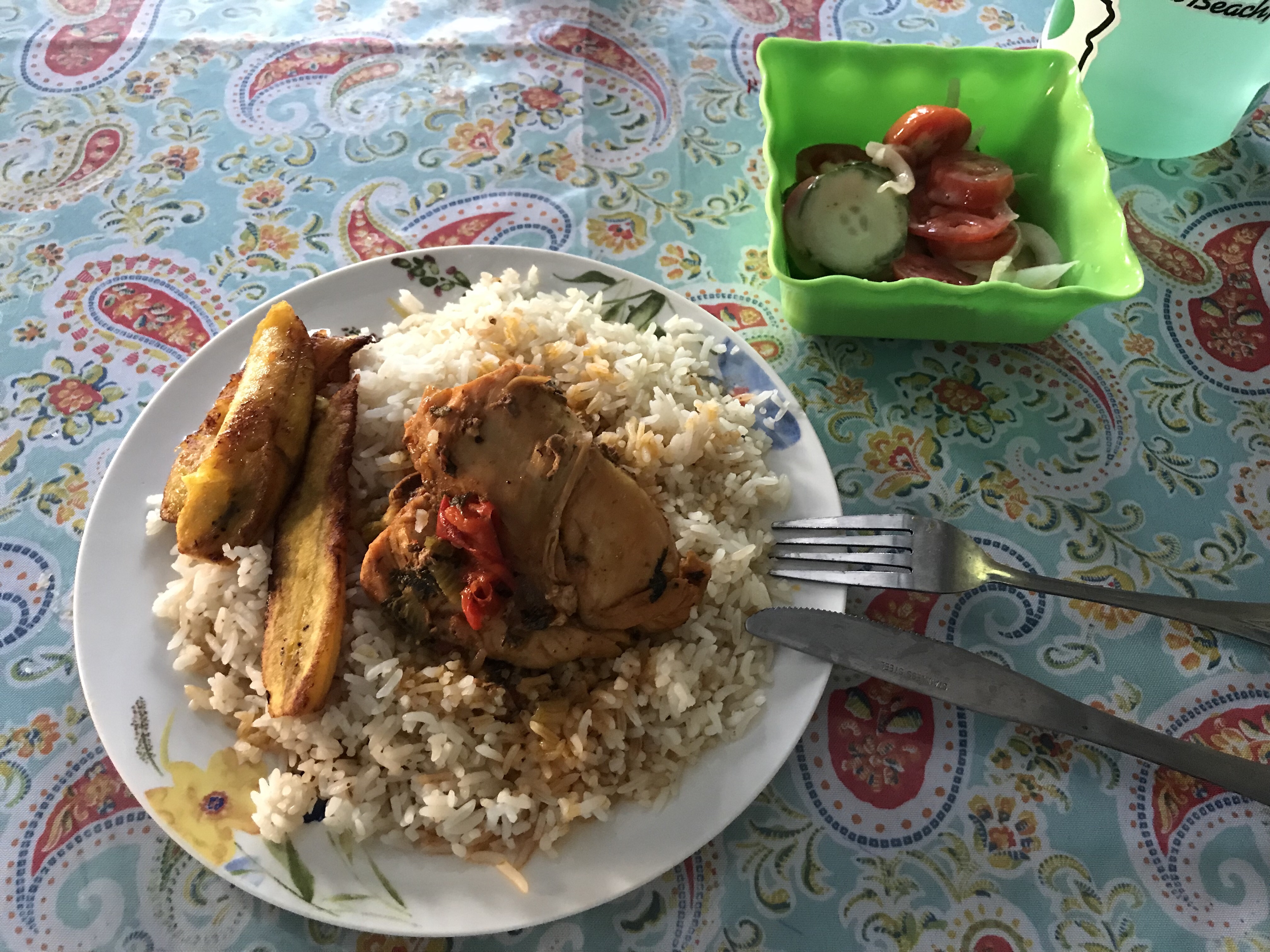
- Rice: rice… often made with a different form of bean or lentil. I prefer white rice, its a bit saltier than the rice I’m used to, but I also don’t mind it when it has beans inside. It is a staple for almost every meal. There is also fried rice with a small amount of veggies and usually with chicken. And arroz con pollo-seperate from arroz and pollo. My host dad likes to make arroz con pollo with his “secret ingredient: salsa china” or as we like to say… soy sauce!
- Chicken: many ways to prepare this. The most common are Asado or Guisado. Which is just like grilled or cooked with other things like peppers or various spices. I’ve also had it as BBQ. It’s usually always on the bone.
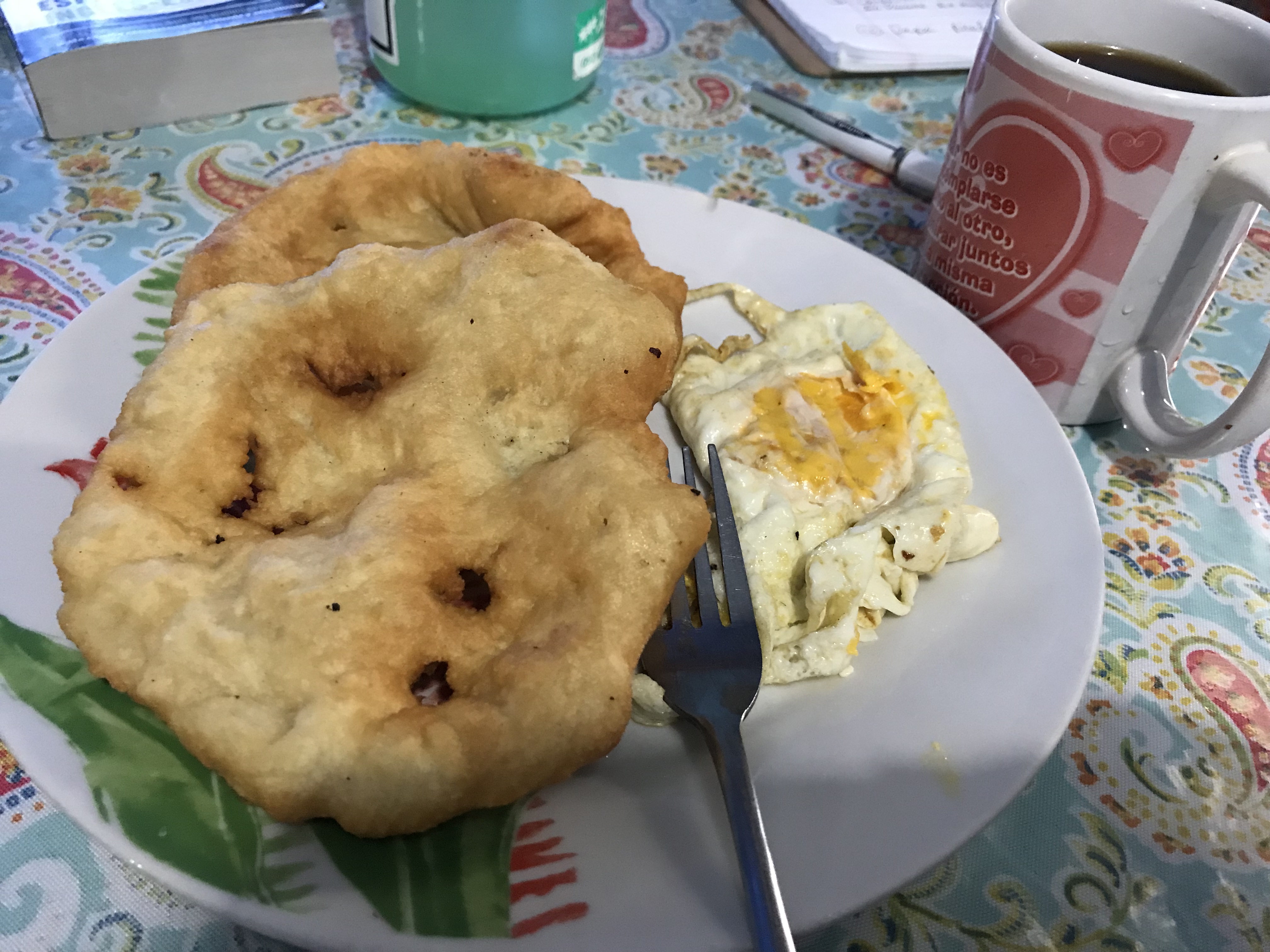
- Hojaldres: Fried dough similar to a non sugar elephant ear. One of my favorite things to eat… also one of the more fattening.
- Fish: usually fried whole. Fillets aren’t really a thing here and being weary of bones or “espiñitas” is a big thing when eating the fish. But, weird as it sounds, the fried tail is actually really good. Apparently no one eats the eyeballs, they just stare at you while you pick at the body.
- Pork: not common to eat, it’s usually for a special occasion. A personal favorite of my host dads.
- Potato salad: this is not made any one way but there are several more “typical ways” to make it. One is with beets or “Remalacha” and it makes the salad a bit purple. One is with carrots or “Zanahoria” which is super good. One is with green beans or “Beschwella” which is the favorite of my host dad. Others might just be potato and a bit of onion.
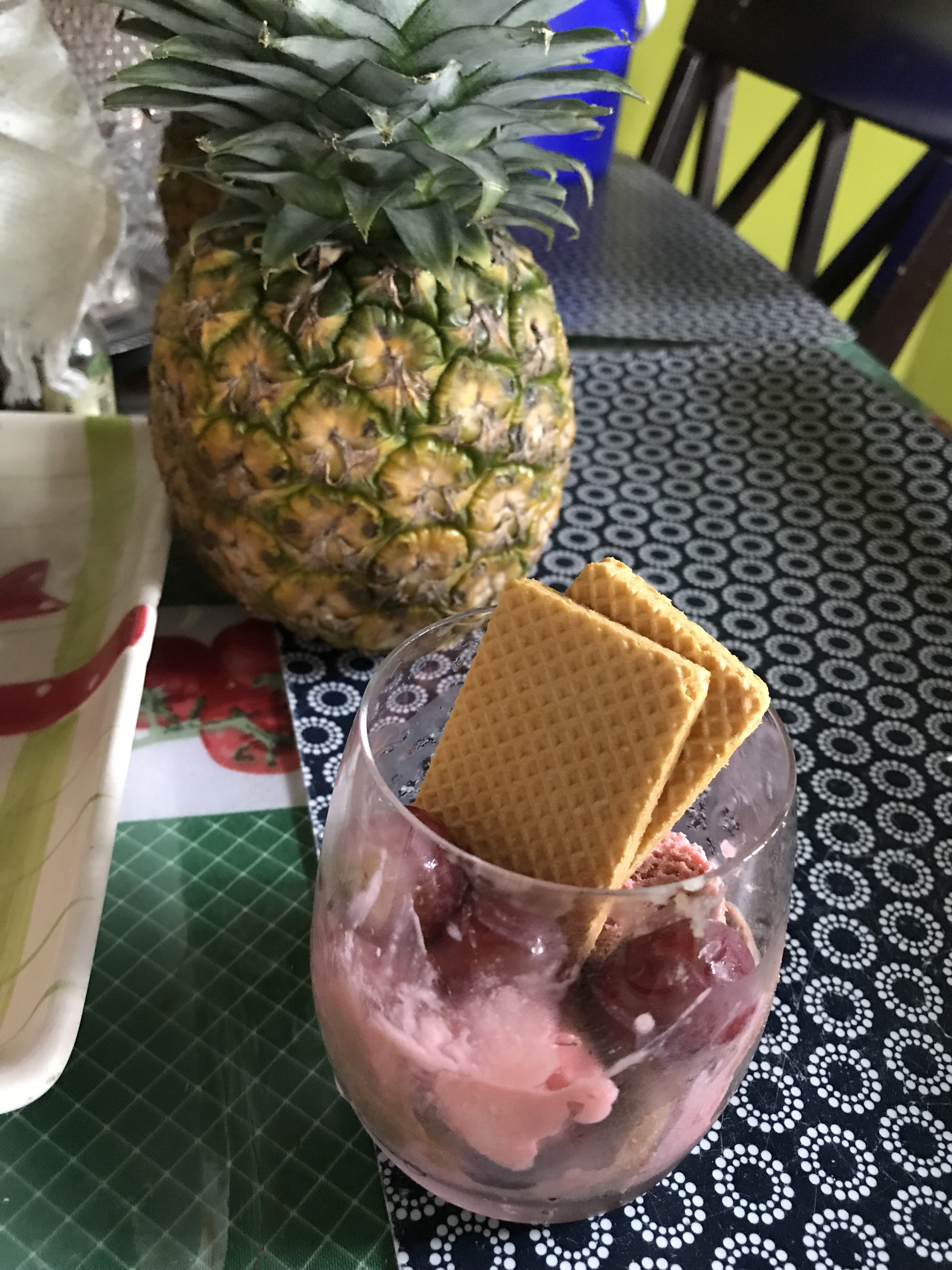
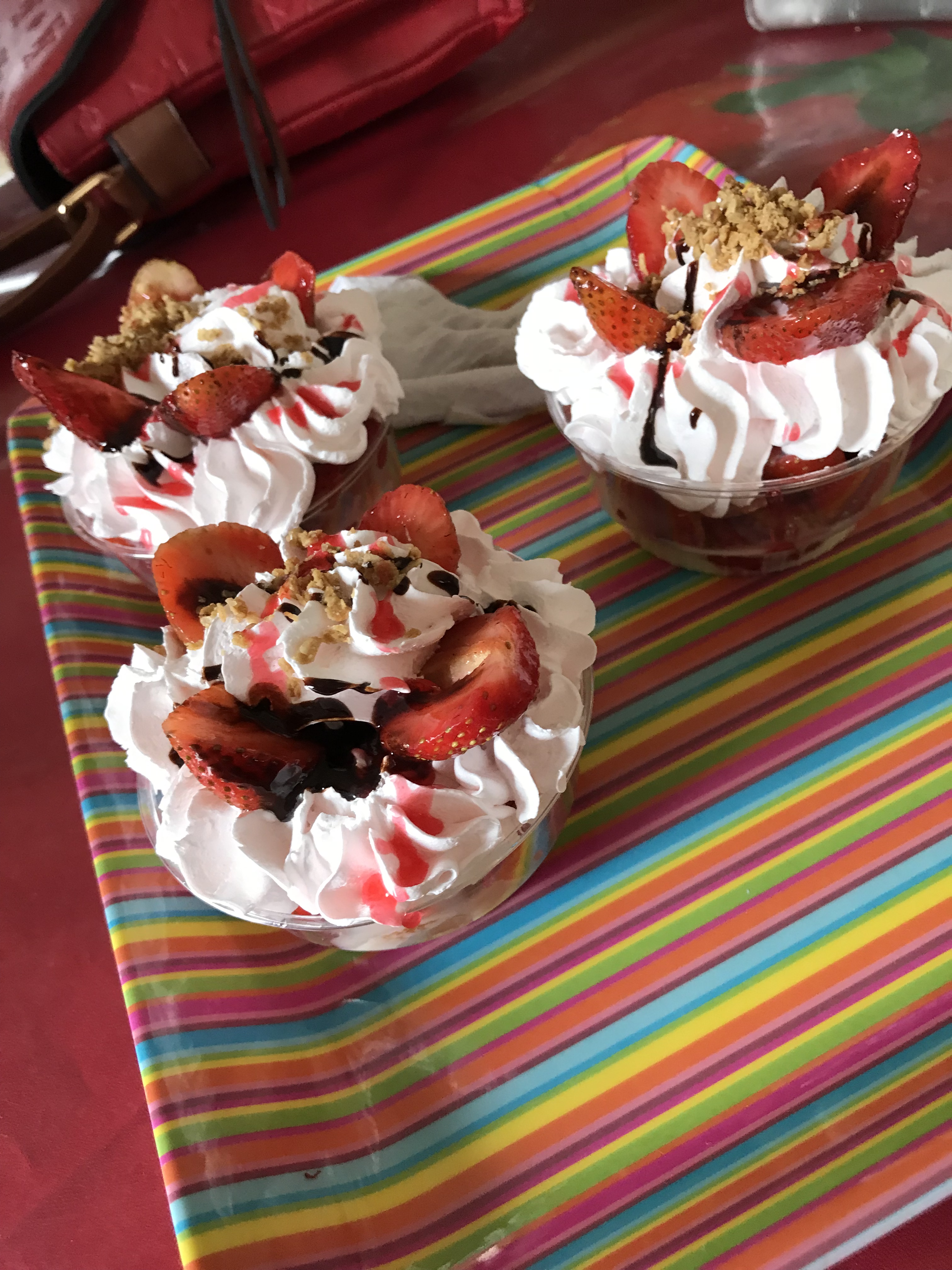
- Chicha: this is juice. It is very popular to try and cool off because it is refreshing. It is made with any old fruit you find. My favorite is Guanabana but my host mom likes to try different combos of fruit and I haven’t been disappointed yet. I recently found out the difference in Chicha and Jugo is the previously explained raspadura.
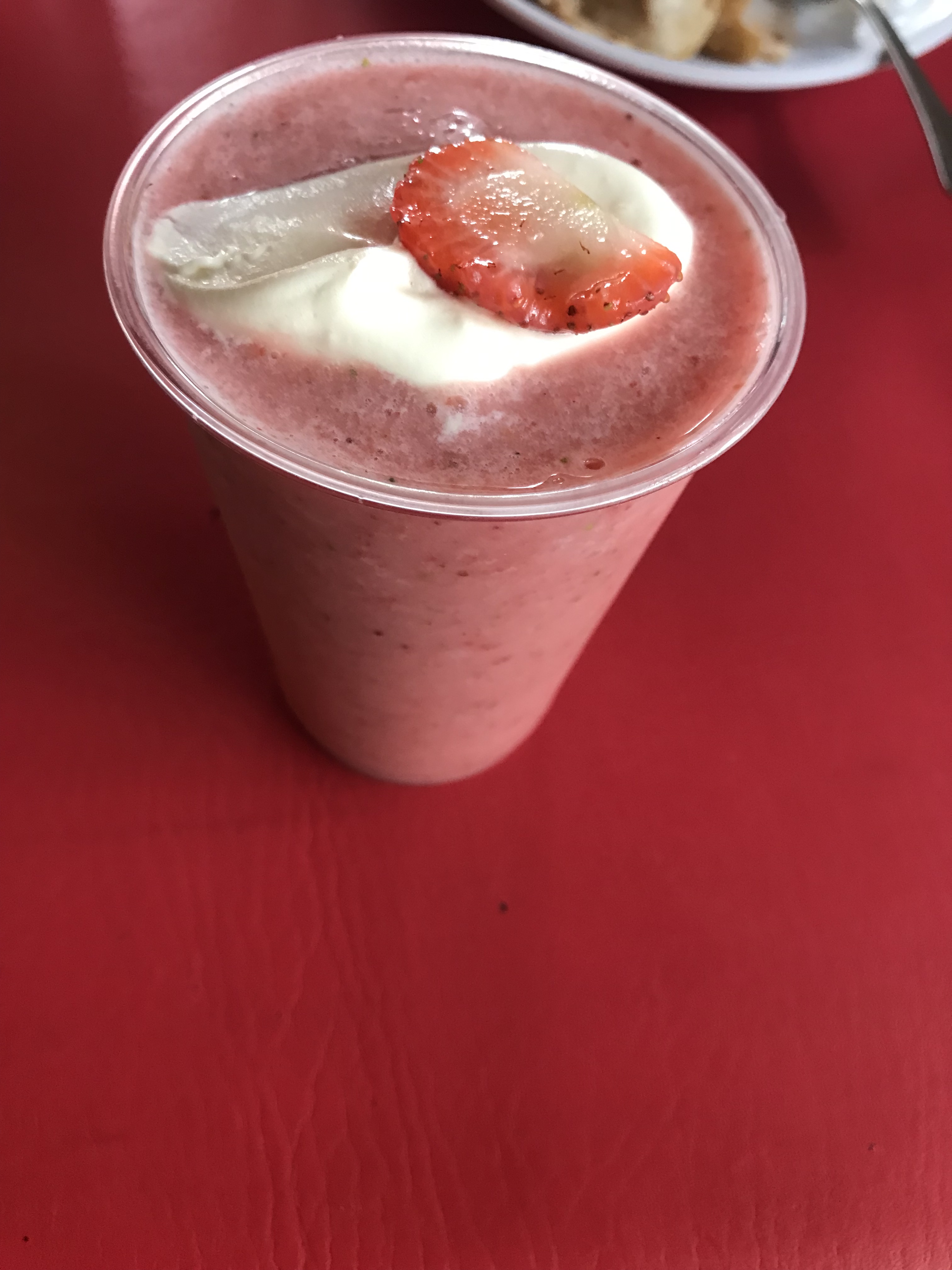
- Batidos: or want-to-be shakes. No ice cream or ice but blended up fruits, more popular in restaurants.
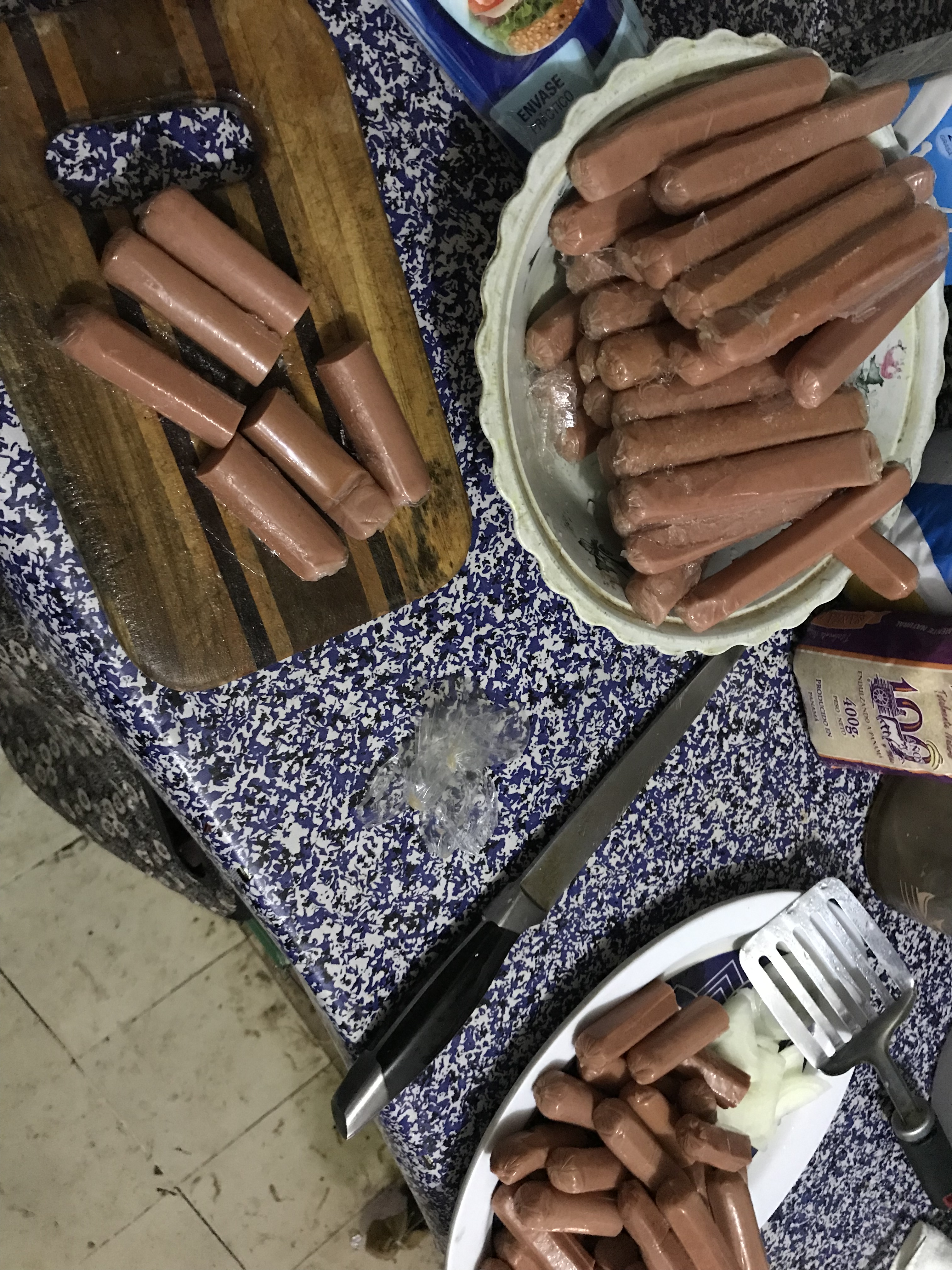
- Salchica: weird hot dog like things. I eat them often. They are cheap and easy to fry up with anything.
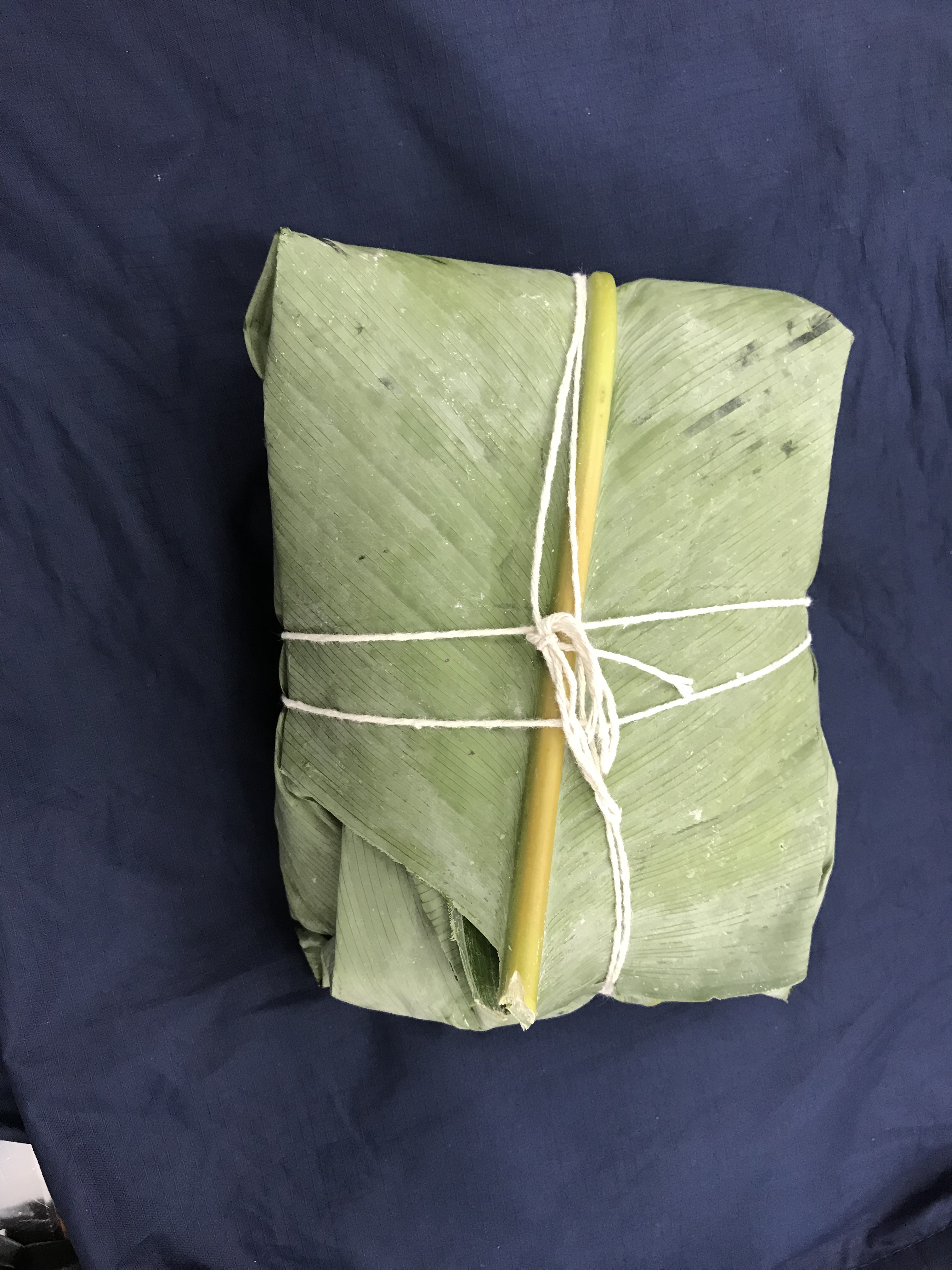
- Bollos: ground up corn that is mashed together and put inside of a plantain leaf and cooked again. Also one of my favorite Panamanian things to eat! They are sweet and go with almost anything, a sort of corn bread but not a bread.
- Tortillas: not as I knew them before. They are small hockey puck sized but thiner and they are ground corn as well. Always fried and usually eaten for breakfast. Depending on who fries them, I’ve also come to really enjoy these!
- Tamales: again, a new form. Made with… you guessed it… corn! And they don’t have meat in them. They are smaller than Mexican tamales and sometimes have green olives inside of them.
- Empanadas: you’ll never guess what the outside is… but the inside is usually some sort of meat. These are also fried and often sold out on the streets.
- Mono: what they call the traditional field hand lunch! Rice beans and meat served in a banana leaf. They hang it from the trees to keep bugs out so they hang like monkeys which is why why call them “Mono”!
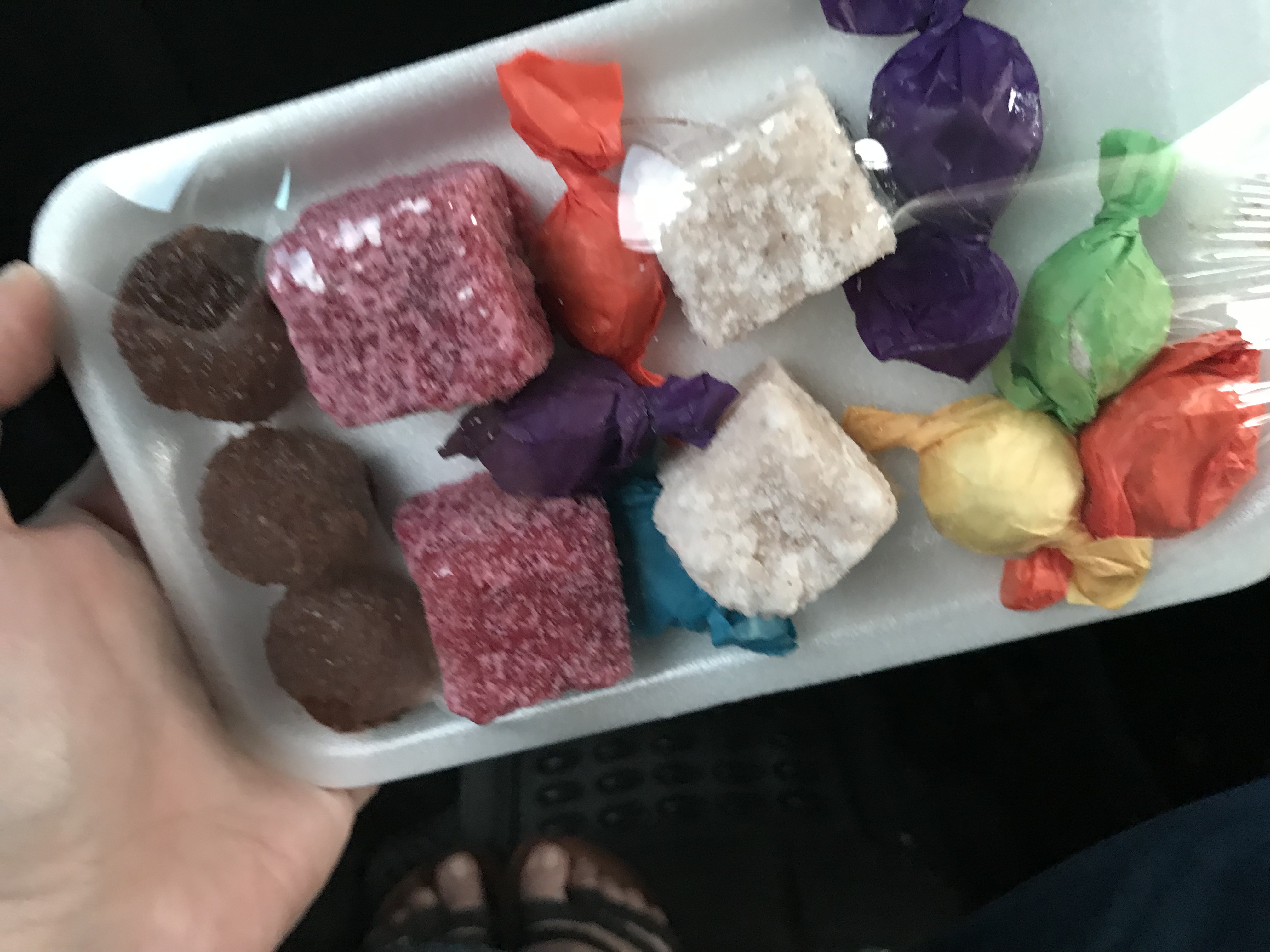
- Tajalitas: usually fried banana or plantain that make them a little sweet so you have just a nice little sweet thing after you eat.
A typical breakfast for me varies at my host family house. Usually its tortillas and some white cheese that has a goat cheese texture but a lighter flavor. Or it is hojaldres and some sort of meat. But the consistent is that I always have Crema- some sort of powder mixed with water and milk to make a thick milky drink usually banana flavored. Sound unappealing? It really isn’t. I’ve grown to love them and it is honestly my favorite part of breakfast.
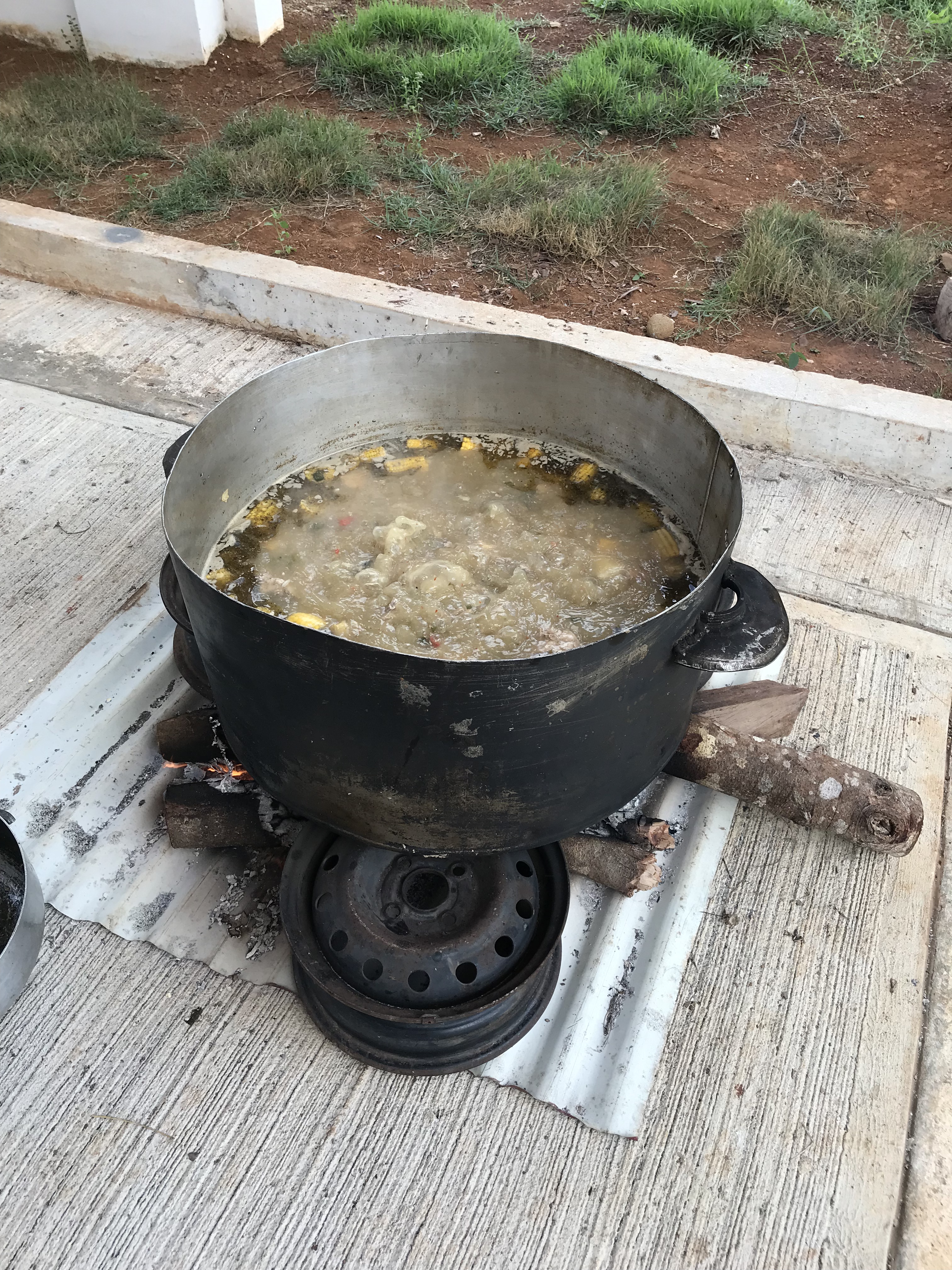
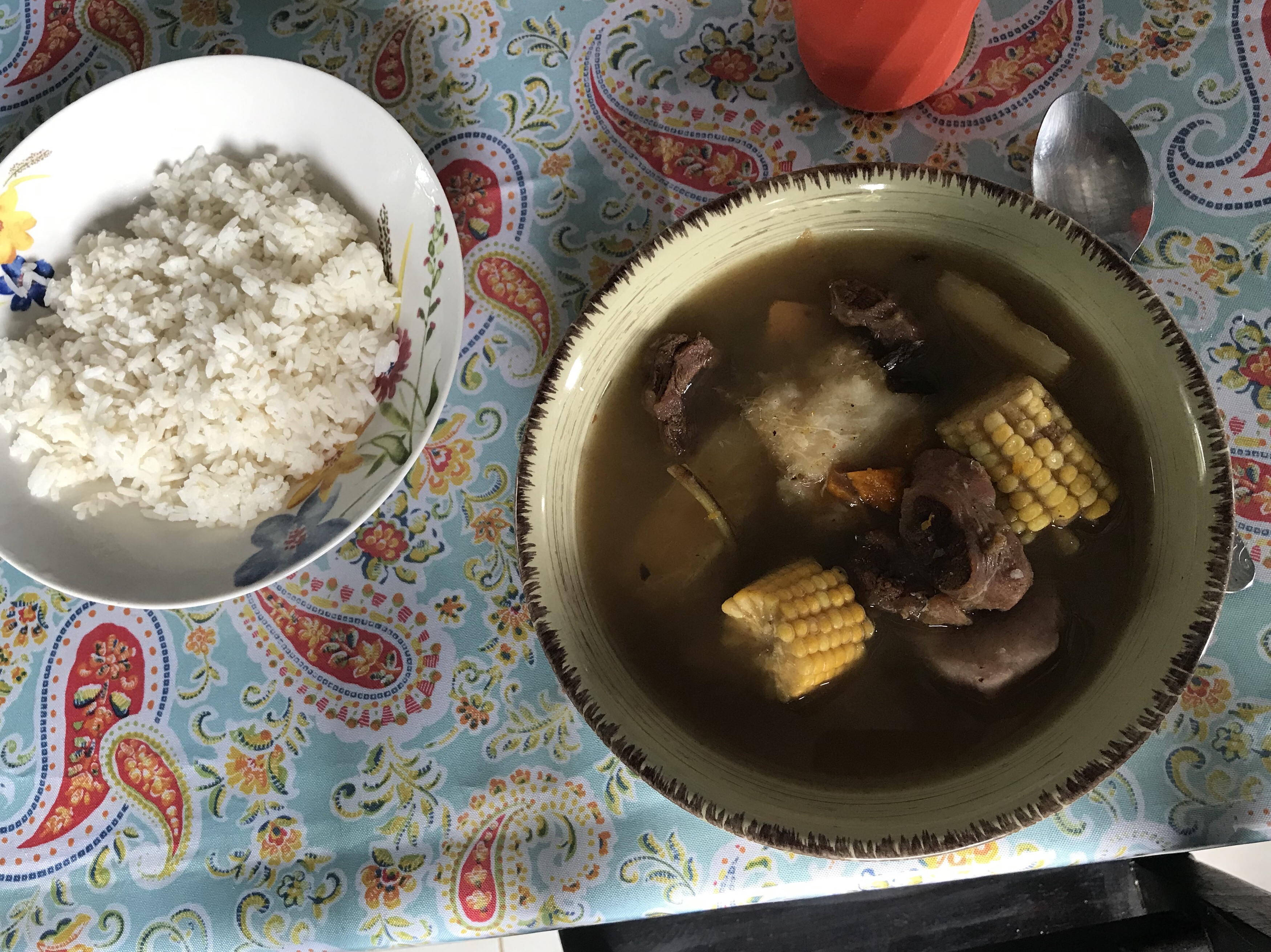
A typical Lunch for me is rice and chicken… varied forms of it… white rice, rice and beans, friend rice… fried chicken, grilled, pan seared. But that is the usual lunch. Or soup. Panamanians love hot soup on a hot day. It is called Sancocho and it really isn’t bad, even on a hot day.
Dinner is much the same. Usually left over lunch or some new form of rice and chicken.
CULTURE!
Now before I give some little tidbits I’d like to say that I really like Panama. I think it is one of the most friendly and welcoming places I’ve been. Not that Japan wasn’t, but the reserved nature of Japanese people took them a while to warm up to me. The first time I meet someone here in Panama I know I’m welcome. There is the idea that Panamanians have “Abrazos abiertos” or open arms and I agree. The first time I meet people they tell me they want to take me this place or that, do this or that or go eat this or that with me. They say it genuinely and I know that they mean it. I’m going to have a lot of opportunity to see and do just because of this culture.
- Kiss on the cheek for a greeting-something I’m still getting used to and it is often uncomfortable because I’m so sweaty all the time. Usually with men we shake hands first then they pull you in for the kiss. Women just do their awkward forward lean like they are trying to balance and smell you at the same time. I really like the culture of kissing on the cheek, but it is definitely a huge change from the bowing and distance of Japan and the more casual distance and hand shaking of the states.
- Piropos or “cat calling”: Now here is a part of culture that I really don’t vibe with. Before we get into our communities we have extensive training on how to mitigate and handle piropos… but for my site a lot of them don’t apply. I live in a huge city and often walk down busy streets where chances are I will not know who did the piropo and will never see them again. Mostly they consist of whistling or making a “psst” whispering sound to get the attention of anyone. That is when you’re walking by and people are just chilling. But Panamanians also love to lay on the horn… if you see a friend in the street you honk, if you see someone backing up and don’t want them to hit you you honk, if you are pulling out of a space you cant see well and want to warn people you honk. But also people honk if they see someone they like. I’ve had several occasions when I’m walking down the street and people just honk. Most of the time it is a taxi, which is how they let people know they are free and looking for a passenger. But a few times people have intentionally slowed down, hung out their window to shout things at me. Mostly differing Spanish versions of “hey beautiful” and a few of “yeah ok I’ll take you home”. Most of the time I can walk in peace and sort of ignore the cat calling but a few times it has pissed me off to a point where I shout some not nice things in English and use a universal finger to show them how I feel. I never feel as if I am in danger, but there is still this feeling of worthlessness and like a piece of meat. It is something I struggle with daily and I know a lot of my fellow volunteers do as well. It is a part of a lot of cultures that I think needs to be squashed. Making people feel like cattle for sale isn’t a great feeling. It is a power move and I think that is why it upsets me so much. I don’t need to be reminded I’m physically less strong that men. This became a bit rant-y…. oops.
- Buenas: So this is the universal way to say “hello” here! There is a culture that I really enjoy is that when someone gets on the bus they say “Buenas” or good morning or something and usually everyone responds. It makes it feel more like a community even when there isn’t really a community here. It always makes me feel safe on public transport knowing that if I did speak up about something or other people would have my back.
- Buses: I think I’ve touched a bit on what the bus system is like here, and often I catch myself not even thinking its weird how they can cram twice the amount of people they should onto a small bus. But everyone is everyone’s friend. I often see young men and women giving up their seats for their elders, sitting people will tell the standing people they can hold their bag. It really is a lovely and safe way to travel. There is the bus driver, but there is usually also a lackie who takes the money and shouts at people at the bus stop. This guy is called a “Pavo” which means turkey. I really like the Pavo culture. It is funny to watch them hop on and off the bus as the bus is still moving and help people on while shouting their route. They are always friendly and make sure you get on even the most crowded bus and so far have been very helpful in letting me know when we get to a place because my white face clearly doesn’t know where I’m going.
I think that is it for now. I will have a life update soon. For now I will say I’m still looking for a place of my own. My host dad is insisting that I can just stay with them for the full 2 years and I’m sure he means it, but the introvert in me is really ready for some personal space. Finding a place is super time consuming and difficult. People want to rent their house out like tomorrow, but as I am working for the government I need to get permissions which take time. So really I’m just finding cool places to have them be rented out from under me. But I still have a few weeks to figure it out and even longer, really, since my host family is gracious.
I am busy everyday at school. I can go into more details later when I talk more about my role in the university but I thought I’d just let everyone know that I work… all the time. Most weeks I’m at the school 6 days a week and for a minimum of 3 hours usually. When I’m there I’m not doing something every second, but I am either waiting for someone, tutoring someone, or getting to know the students and faculty in the hall. I have my big three month presentation in a few short weeks which is sort of what I’ve been training for since I landed in panama. Besides that I also have commitments at school and with my host family. So everyday I struggle to find alone time or time to sit and write about my experiences. BUT! I am determined to not let the blog go by the wayside. I have been told I write like a young teenage girl excited about camp, but if people still want to read it, I’m willing to keep spouting butterflies and rainbows.
My Spanish hasn’t gotten worse but for sure hasn’t gotten better. I work at it everyday but often struggle to learn new vocabulary or new grammar points without being able to practice them with a text book.
I’m still enjoying all the time with my host sister and fellow PCVs as they come to David to visit me. I’m actually very grateful that I am busy for now, I just hope that eventually I’ll have time to slow down. I don’t want these two years to go by and not be able to self reflect at all.
So that is my cultural update! I will try to be better about posting once I find a place and can talk more about what I’m doing. For now I’m happy, healthy and having a blast. I’m just also busy.

 Where in the World is Kallie?
Keep the Blog coming!! It provides me with a feeling of closeness with your adventure. I would like most of the food you showed, of course I would eat anything that did not eat me first 🙂 From your commentary it seems as though this journey is worth your effort . I t was gracious of your host to allow you to stay for the 2 years. I would seriously consider that, even at the cost of some privacy or other concerns. So take care and enjoy yourself !
LikeLike